
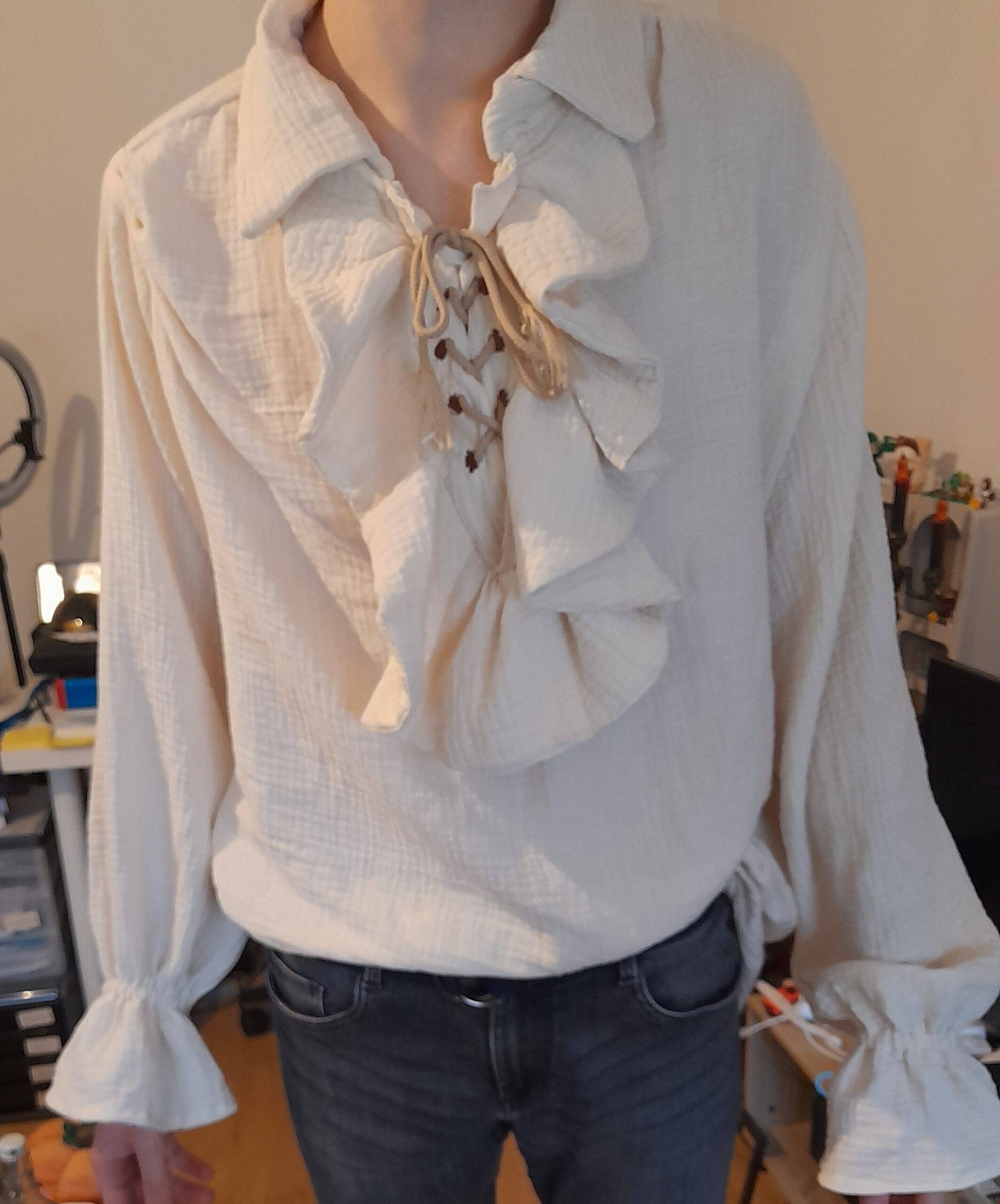
When you're a fan of fantasy worlds, the so-called "pirate" shirt quickly becomes a staple you want to have in your wardrobe. Your first instinct is to scour thrift stores, which often offer unique pieces. In 3 years, you've come up empty-handed! Even if you start searching the internet, you come across a lot of soulless fast fashion or haute couture pieces.
Either too cheap or unattainable for my wallet! Last April, my boyfriend and I went to visit Puy du Fou. My partner fell in love with the costumes at the Bal des Oiseaux Fantômes 🦅.
So, if until then, I was putting off the project, it was when my partner told me he wanted to do falconry that I told myself it was time to contribute to his desire by creating an elegant garment like those that the falconers in the show wear. Let's go create a shirt from A to Z!
References:
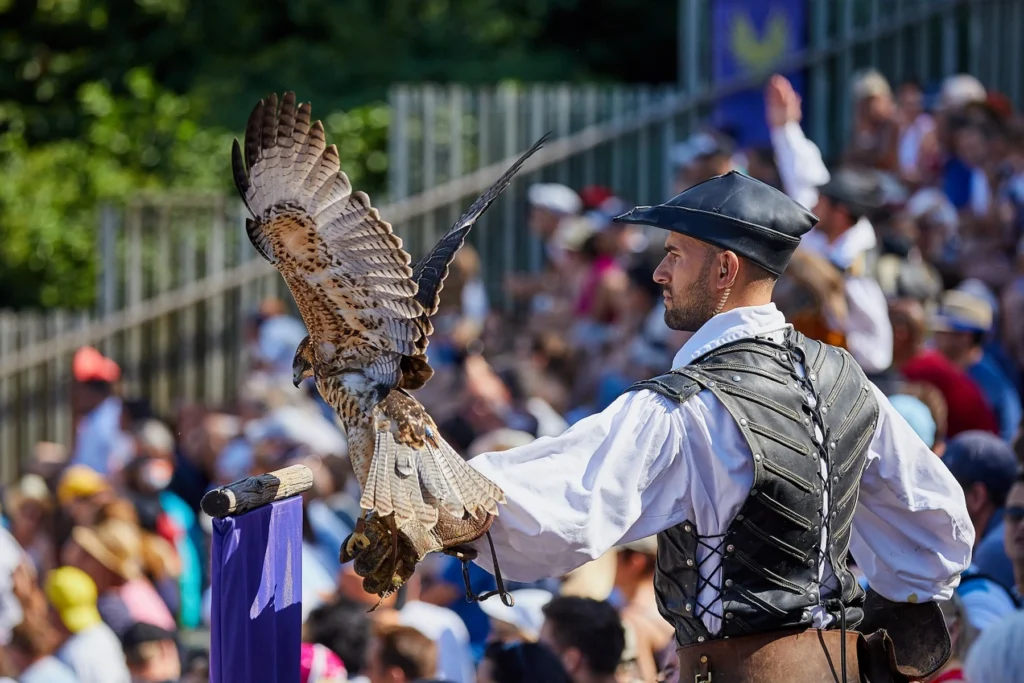
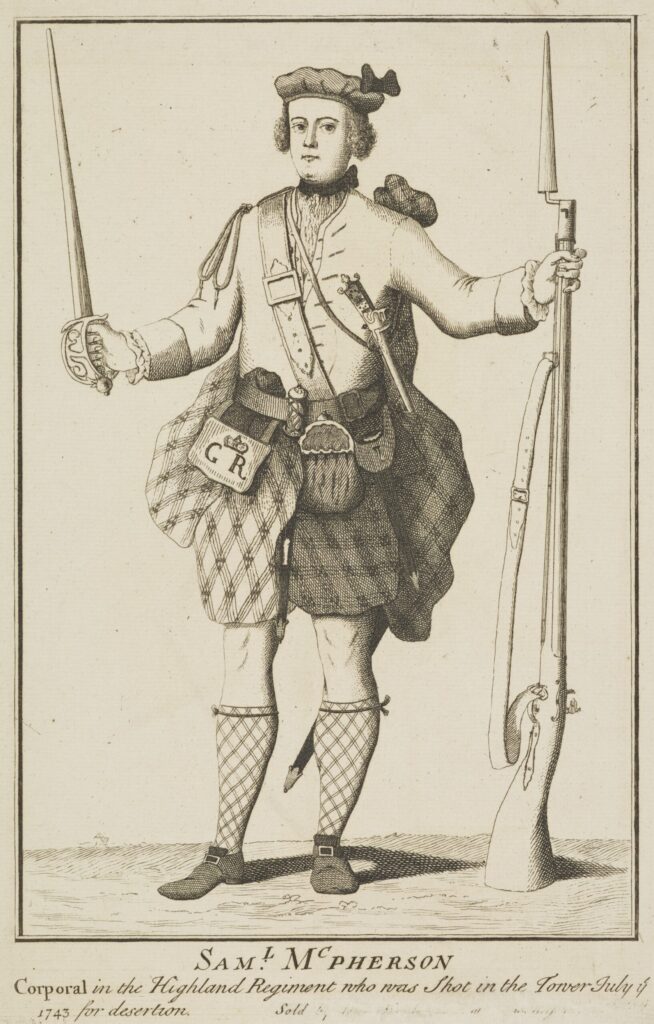
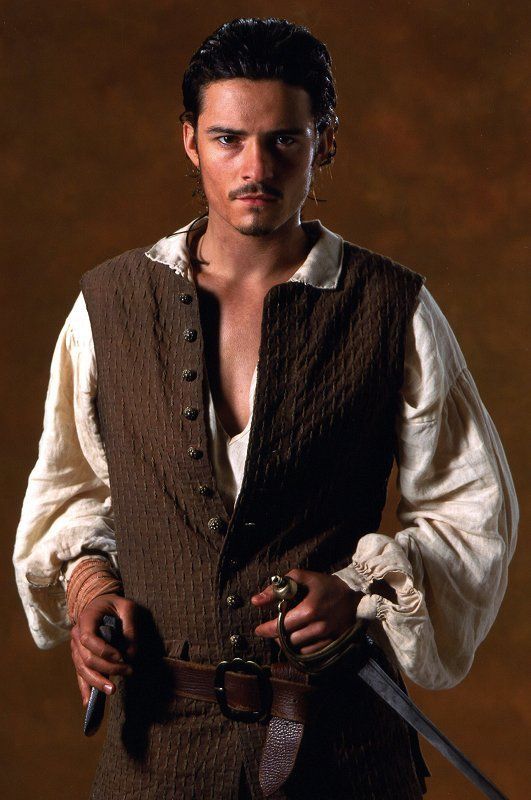
The essentials of the shirt I want:
- Puffed sleeves (preferably ruffled)
- A jabot
- Eyelets to allow a rope to pass through
A bit of history:
So-called "pirate" shirts are generally inspired by 18th century shirts. These shirts, mostly made of cotton or linen, are particularly recognizable by their imposing frill (a sign of high social status).
Luxury items, shirts began to become more refined from the 18th century onwards - with less lace and embroidery. Puffed sleeves began to appear.
The plan:
- Find a pattern
- Find the fabric
- Pick up my sewing machine from my parents' house
- Sew the shirt!
For the first step, I compare YouTube videos, experience requirements (I sew but this is the first time I've made a shirt) and the general style of the shirt. Finally, I find on Etsy this digital pattern -well it is sold as Renaissance, but I maintain that these are the attributes of the 18th century-!
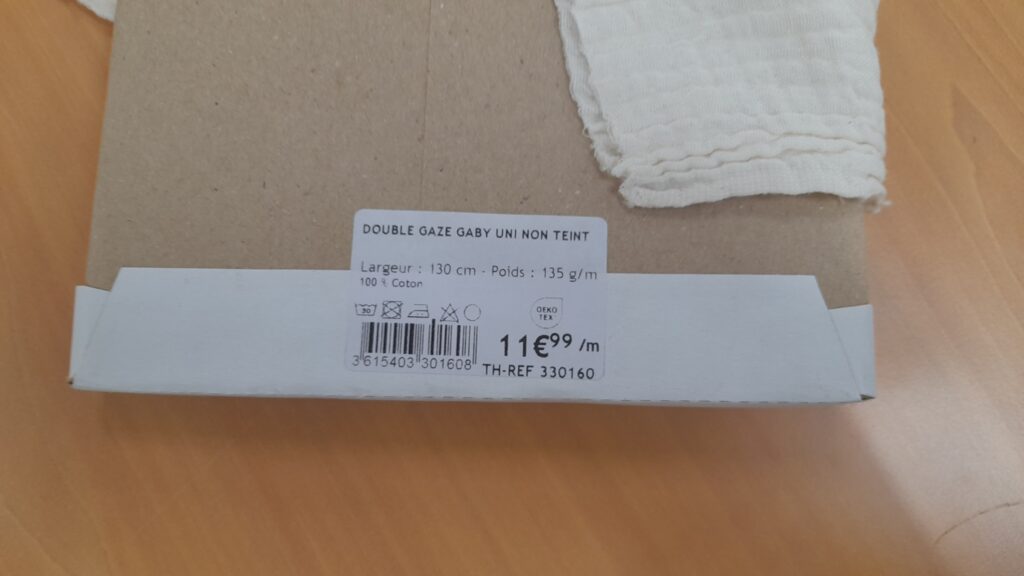
I then go to the haberdashery to find some ecru fabric. Here is the exact reference, otherwise you can just look for cotton gauze in the desired color. The gauze gives a great lightness for puffed sleeves. Obviously I like chaos, I wnet there without taking measurements because I am super lazy to convert American sizes into European sizes.
Luckily, my father was passing by my apartment and took the opportunity to bring me back a sewing machine, tape measure, pins and the printed pattern!
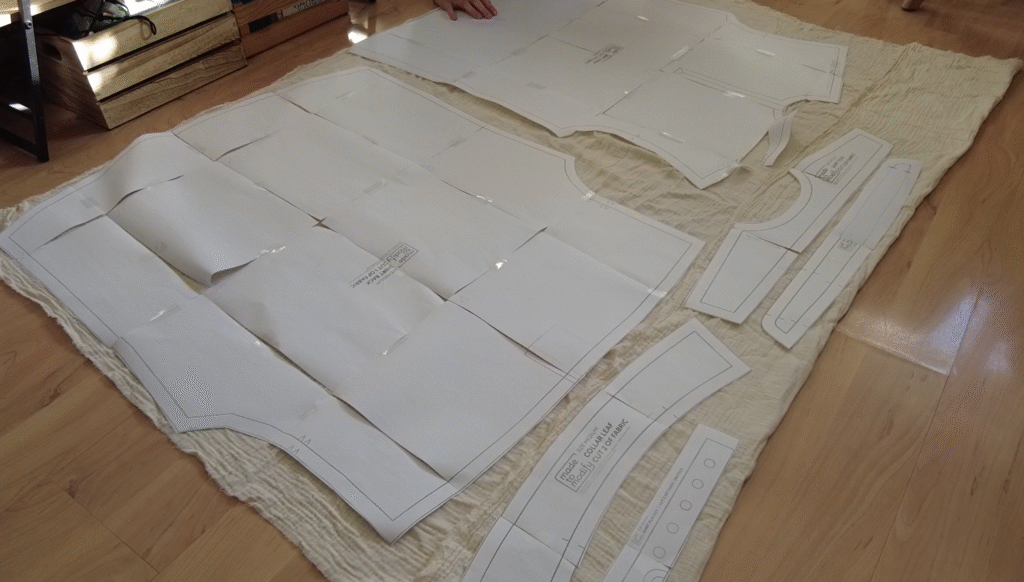
The super fun part: assembling the sixty or so A4 sheets to cut out my pattern. Once that's done, all that's left is to cut out the pieces. Since I went to the shop cluelessly, I'm short on fabric and the haberdashery no longer has the reference once I thought about it so I have to wait for it to be delivered again 🤡. Finally, I manage to get all my pieces, and I even took a thin rope-type lace to assemble the shirt.
Second difficulty: the instructions are in English. Okay, this is something I underestimated because I often speak english with friends. But I learned to sew with videos and books in French and I struggle to understand what the instructions are trying to tell me. Luckily, the instructions include plenty of diagrams to help me get back on track when I'm going the wrong way.
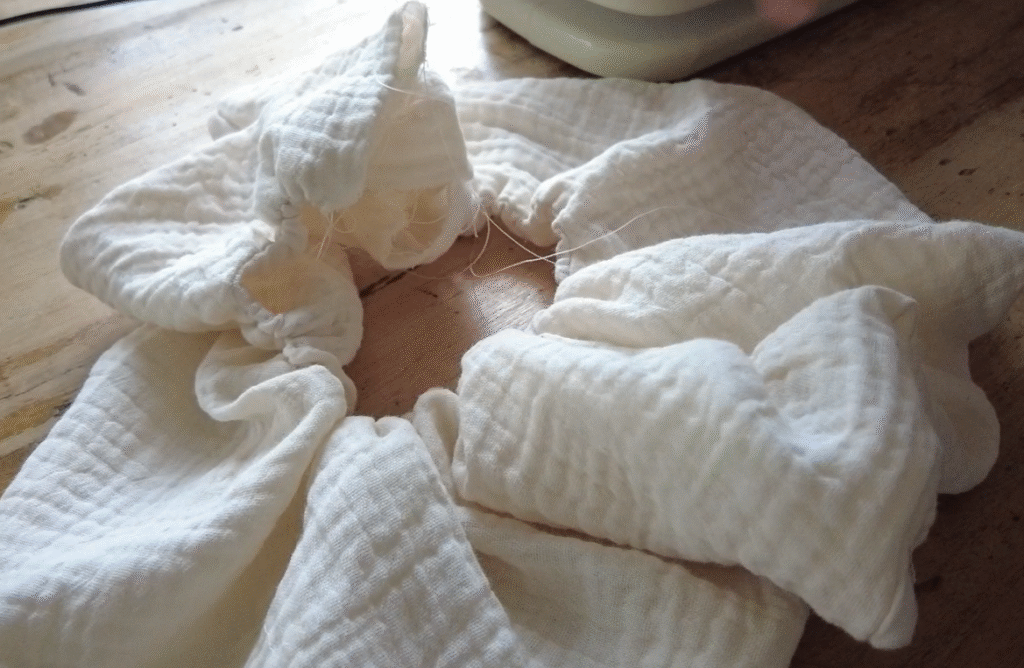
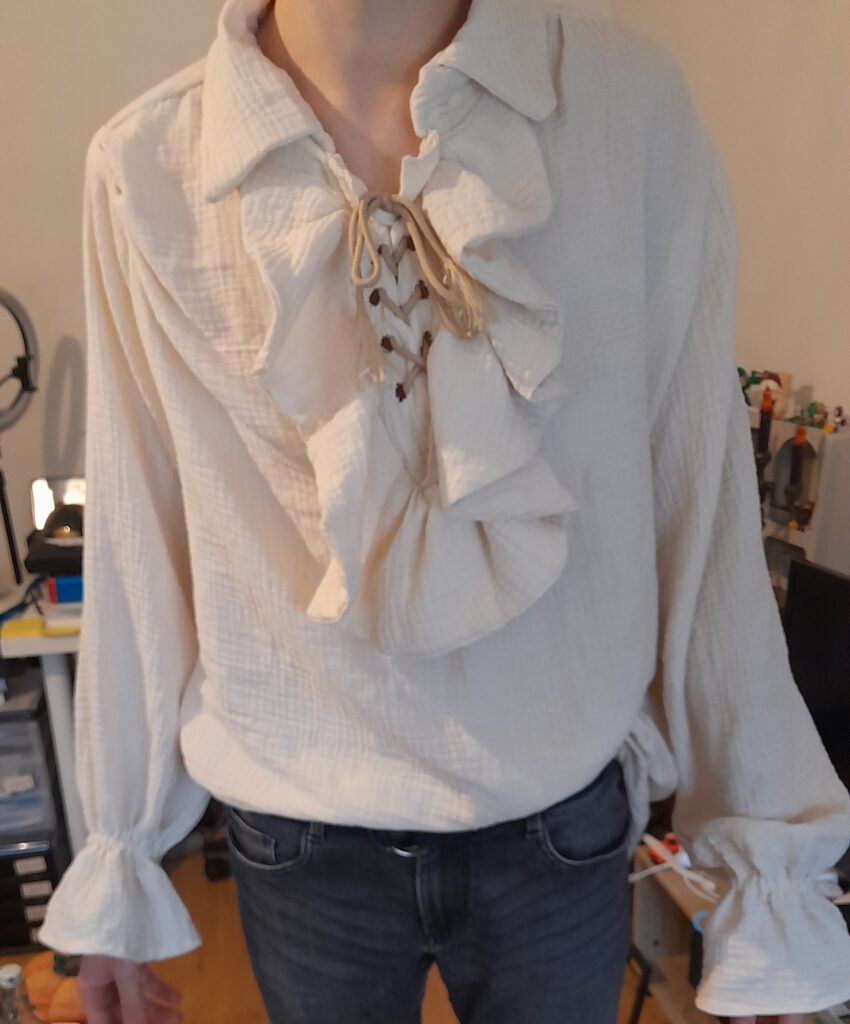
Finally, even with some hesitation, I managed to sew this shirt! It was an opportunity to learn technical terms in another language, sew elastic, sew a jabot - I'm so happy with the result -, sew my first collar and do a custom-made garment! My partner wears a size M but is quite slim, so I had to readjust the shoulder width because the poor guy was floating in it. So I created a pirate shirt from A to Z with a pleasant fabric, for less than 50€ with a result that I find quite elegant.
A reel is in preparation to show in more detail the shaping of the shirt 😉.
That being said, here's the final result! Now all that's left is to wait until we meet some owls again to do a second-hand photoshoot!
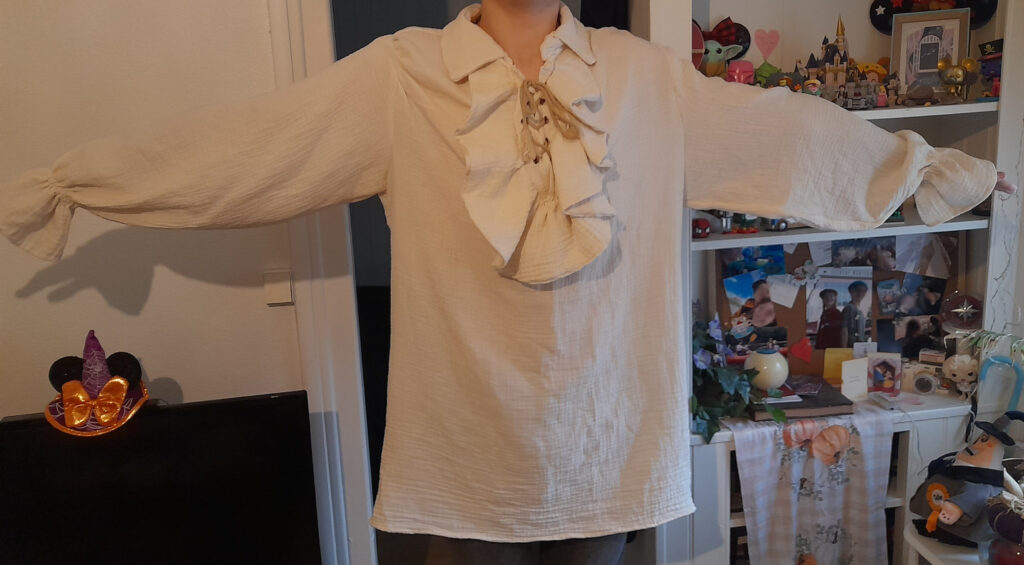
What do you think? Tell me all about it in the comments 👇


Leave a Reply